
Test & Tag: What It Is And Why Your Business Needs It

McGrath Electrical & Data • September 29, 2026
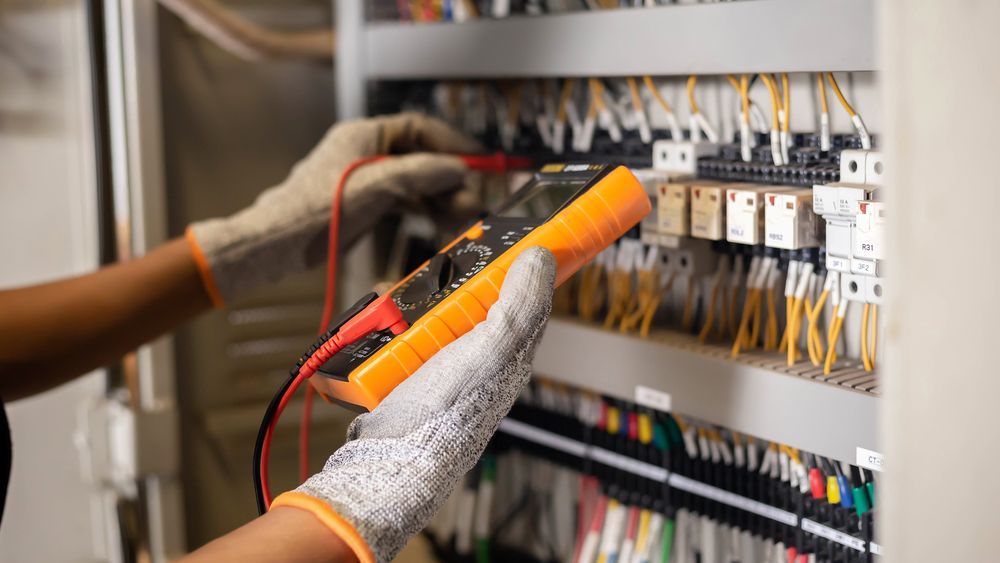
Electrician Testing The Electrical Circuit

Test and tag is the process of inspecting and electrically testing portable electrical equipment, then attaching a tag that records the result. For test and tag in NSW, any business whose equipment works in a "hostile" environment, such as a building site, workshop or commercial kitchen, must have a competent person inspect and test it regularly. AS/NZS 3760 is the Australian Standard that sets out how to do it.


For business owners and site managers across Grafton and the Northern Rivers, regular testing is one of the simplest ways to prevent electric shocks and equipment fires. It also gives you proof you're meeting your safety duties if anyone asks. This guide explains how it works, how often you need it and the risks of letting it slip.

What Is Test and Tag?

Test and tag applies to any electrical equipment with a flexible cord and plug. Think extension leads, power boards, power tools, kettles, microwaves, computers, pressure washers and portable RCDs.


There are two parts to the job. First, the tester looks over each item for damage such as frayed or cut cords, cracked plugs, bent pins, exposed wiring or scorch marks. Then they run it through a portable appliance tester (PAT) to check earth continuity, insulation resistance and polarity.


If the item passes, it gets a durable tag showing the test date, the next test date and who did the testing. If it fails, the tester tags it out of service and it stays out of use until someone repairs or replaces it.

Is Test and Tag a Legal Requirement in NSW?

Yes, for many workplaces. The NSW Work Health and Safety Regulation requires businesses to have a competent person regularly inspect and test electrical equipment used in a hostile operating environment. You also need to keep records of that testing.


Lower-risk workplaces aren't off the hook entirely. WHS law still gives you a general duty to manage electrical risks, and industry best practice treats AS/NZS 3760 as the most reliable way to show you've met it.

What Counts as a "Hostile Operating Environment"?

A hostile operating environment is anywhere equipment is likely to get damaged or wear out faster than normal. That means exposure to moisture, heat, vibration, mechanical damage, corrosive chemicals or dust.


Plenty of Northern Rivers businesses fit that description. Construction and demolition sites, factories, workshops, farms, commercial kitchens, cleaning businesses and hire companies all qualify, as does any workplace where leads get dragged around, stepped on or wound up tight. Construction sites also fall under AS/NZS 3012, which sets stricter requirements again.

How Often Does Equipment Need to Be Tested and Tagged?

How often you test comes down to where the equipment works. A drill that lives in an office cupboard needs testing far less often than the same drill on a building site. AS/NZS 3760 recommends these intervals:

Environment Recommended testing interval
Building, construction and demolition sites Every 3 months
Hire equipment Inspected before each hire, tested every 3 months
Factories, warehouses and production areas Every 6 months
Commercial cleaning equipment Every 6 months
Environments where cords are flexed or open to abuse Every 12 months
Residential areas of hotels, motels and boarding houses Every 2 years
Offices and low-risk areas where equipment isn't flexed or abused Every 5 years

Treat these as maximums. If a piece of equipment gets damaged, repaired or moved somewhere harsher, test it again before anyone uses it. Users should also push-button test portable RCDs regularly between formal tests.


It's easier to stay on schedule when test and tag sits inside your wider maintenance plan. Our guide on the best time to schedule electrical maintenance can help you pick dates that cause the least disruption.

What Do the Test and Tag Tags Mean?

A tag tells anyone on site at a glance whether a piece of equipment is safe to use. AS/NZS 3760 calls for tags that are durable, non-reusable and firmly attached. Each tag should show at least:


  • the name of the person or business that did the testing
  • the test date
  • the date the next test is due
  • the test outcome, or a clear indication the item passed


If you pick up a lead and the retest date has passed, treat it as untested. Take it out of use until someone retests it.

What About Coloured Tags on Construction Sites?

Many construction sites use a colour-coded system under AS/NZS 3012, with a different colour for each three-month testing period. Red covers December to February, green covers March to May, blue covers June to August and yellow covers September to November.


The colours let a supervisor spot an out-of-date lead from across the site. They don't replace the written details, though. Every tag still needs the test date, the next test date and the tester's details.

What Happens If Your Business Isn't Compliant?

The biggest risk is someone getting hurt. A damaged lead or faulty appliance can cause an electric shock, burns or a fire, and many of these faults don't show up in a visual check. Testing picks up the problems you can't see.


There's a legal and financial cost too. SafeWork NSW inspectors can issue improvement notices, prohibition notices or on-the-spot fines. If an incident does happen, a business with no testing records will struggle to show it met its WHS duties, and penalties under the WHS Act can be substantial.


Insurance and contracts are the other pressure points. Insurers may question a claim if an electrical fire or injury traces back to untested equipment. Head contractors and property managers also often ask for current test and tag records before they'll let a subcontractor or tenant on site.

Example: A Grafton Building Site Before an Inspection

A small building contractor in Grafton runs two job sites with a mix of power tools, extension leads and a site generator. Their equipment was last tested seven months ago, well past the three-month interval for construction sites. When a head contractor asks for current test and tag records before a new commercial fit-out, they have nothing to show.


They book a same-week test and tag visit. The technician tests and tags more than 60 items, and four fail, including an extension lead with a crushed section of cord and a grinder with a damaged plug. The contractor receives a full register of every item and sends it to the head contractor that afternoon. They also lock in a recurring three-month schedule so it doesn't happen again.

How Do You Keep Test and Tag Simple?

Businesses that stay compliant without the stress tend to treat test and tag as a routine job on the calendar. A simple process looks like this:


  1. Identify your environment. Work out which AS/NZS 3760 category each area of your business falls into, since this sets your testing intervals.
  2. List your equipment. Include everything with a plug: leads, power boards, tools, kitchen appliances and IT equipment.
  3. Book a competent tester. Choose a provider who tests to AS/NZS 3760 and gives you a full register afterwards.
  4. Deal with failures straight away. Take failed items out of use, then repair or replace them.
  5. Keep your records handy. Store your test register where you can find it quickly for SafeWork NSW, a head contractor or your insurer.
  6. Book the next round. Lock in your next test date before the current tags expire.


At McGrath Electrical & Data, we provide test and tag services in Grafton and across the Northern Rivers for construction sites, commercial premises and industrial facilities. Working with a licensed electrician in Grafton means you get testing that meets AS/NZS 3760, proper repairs on any faults and records ready to go if SafeWork NSW comes knocking.

Where Should You Start?

Staying on top of test and tag in NSW costs little and causes minimal disruption, yet it protects your staff, your site and your business. Start by checking the tags on your equipment today. If any retest dates have passed, or you can't find your last test register, it's time to book. Get in touch to set up a test and tag schedule that keeps your business compliant year-round.

Frequently Asked Questions

Is test and tag mandatory in NSW?

How often should test and tag be done?

Who can do test and tag in NSW?

Does new equipment need to be tested and tagged?

What happens if equipment fails a test and tag?

What records do I need to keep for test and tag?
Electrical Services

Electricians Grafton
By McGrath Electrical & Data • August 13, 2026
Wondering what a home electrical safety inspection involves? Learn what gets checked, when you need one and why to use licensed electricians in Grafton.
EV Charger Installation
By McGrath Electrical & Data • July 24, 2026
A proper EV charger installation turns your home into a personal refuelling station, cutting your running costs and taking the guesswork out of driving.
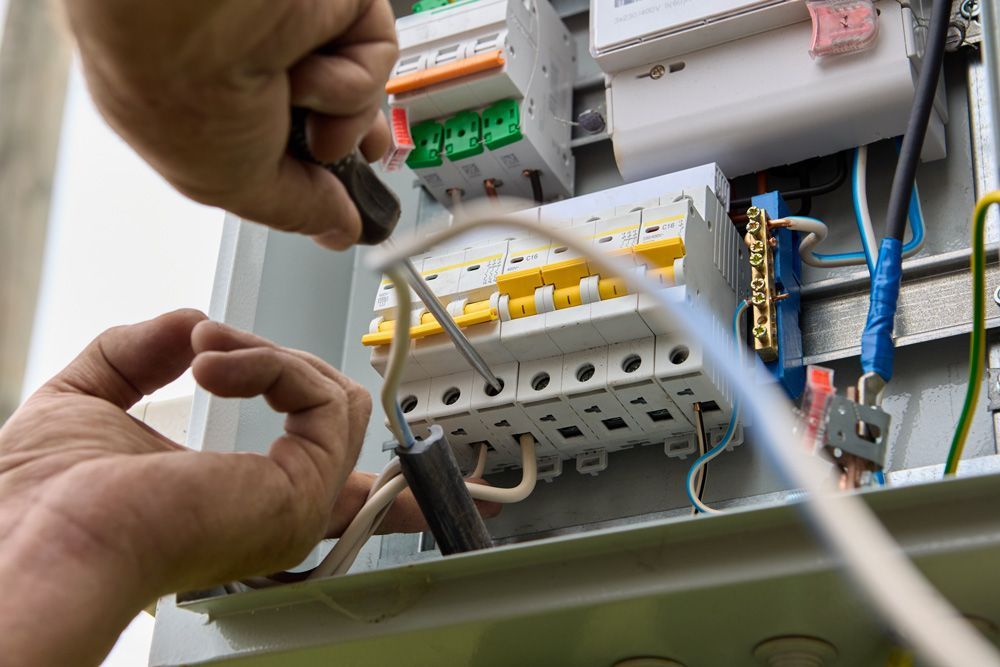
An Ongoing Switchboard Upgrade In Grafton
By McGrath Electrical & Data • July 20, 2026
Protect your property with a switchboard upgrade in Grafton. Improve electrical safety and reliability. Call today to get started.
Electricians Grafton
By McGrath Electrical & Data • August 13, 2026
Wondering what a home electrical safety inspection involves? Learn what gets checked, when you need one and why to use licensed electricians in Grafton.
EV Charger Installation
By McGrath Electrical & Data • July 24, 2026
A proper EV charger installation turns your home into a personal refuelling station, cutting your running costs and taking the guesswork out of driving.
An Ongoing Switchboard Upgrade In Grafton
By McGrath Electrical & Data • July 20, 2026
Protect your property with a switchboard upgrade in Grafton. Improve electrical safety and reliability. Call today to get started.
Residential security camera
By McGrath Electrical & Data • May 6, 2026
Learn which CCTV features matter most, from night vision to remote monitoring and storage options, with practical advice for security systems in Grafton today.
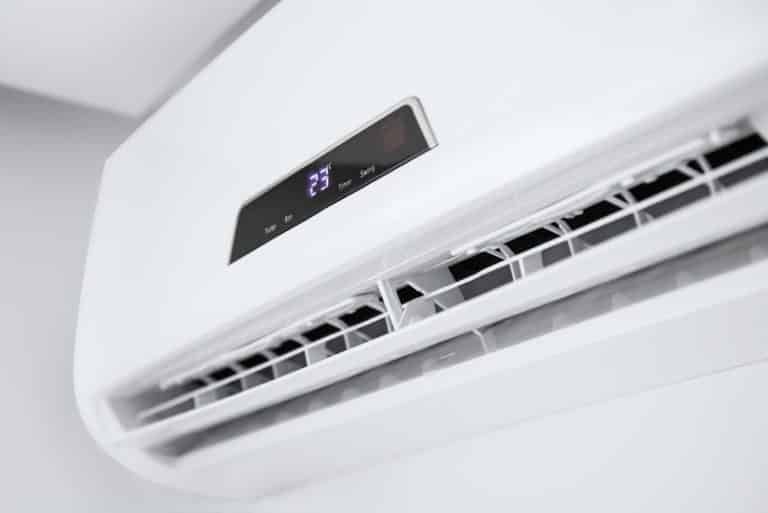
White air conditioner on a white wall
By McGrath Electrical & Data • March 31, 2026
Learn when to replace your air conditioner. Discover signs like poor performance, rising energy bills and frequent repairs for Grafton homes and properties.
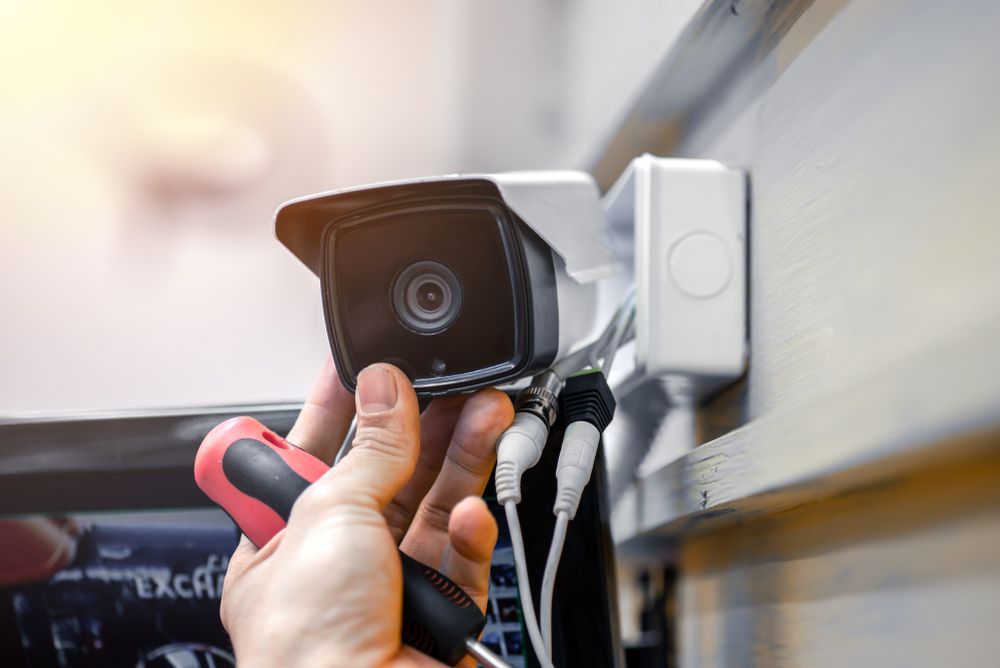
Person Installing A Security Camera On A Wall
By McGrath Electrical & Data • March 6, 2026
Explore smart security system design and reliable security systems in Grafton to protect homes and businesses. Plan your upgrade today.
Air Condition Maintenance by Professional
By McGrath Electrical & Data • February 9, 2026
Save money and extend system life with air conditioning in Grafton maintenance that improves efficiency and prevents costly breakdowns. Book today.
Man Using A Digital Lock To Enter
By McGrath Electrical & Data • December 29, 2025
Learn why installing security systems in Grafton improves safety and reliability and take action to protect your home or business today.
Right Size of Air Conditioner Installed
By McGrath Electrical & Data • November 25, 2025
Learn how to calculate air conditioner size and what size air conditioner do I need for effective air conditioning in Grafton. Get advice today.
Electrician At Work
By McGrath Electrical & Data • November 17, 2025
Know the signs of an overloaded circuit and learn when to call electricians in Grafton to protect your home and prevent electrical hazards.

Show More